Review: Pretty Butterfly with Decoration Embroidery
As an embroidery designer who has spent countless weekends behind a craft fair booth, I have learned that not every machine embroidery design translates into a bestseller. Some designs look stunning on a screen but vanish in person, while others become the anchor of an entire product line. Today, I am reviewing Pretty Butterfly with Decoration Embroidery, a design that promises versatility and beauty for the handmade market. If you are an Etsy seller, a boutique maker, or a creative entrepreneur looking to expand your craft fair product lineup, this review breaks down how this specific motif performs in the real world.
First Impressions and Aesthetic Appeal
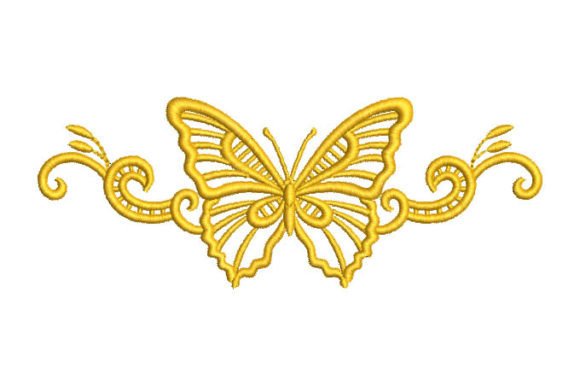
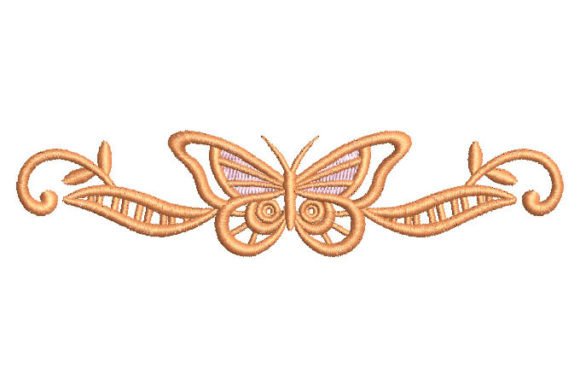
The first thing I notice about Pretty Butterfly with Decoration Embroidery is its balanced aesthetic. It does not lean too heavily into childish cartoon styles, nor is it overly rigid or geometric. Instead, it strikes a chord between elegant and decorative. The title suggests "decoration," which implies added visual interest beyond a simple silhouette. In the context of Bugs and nature-inspired motifs, this design feels soft, feminine, and approachable.
For a weekend craft fair, visual appeal is everything. Customers walking past your table need to understand what they are looking at within seconds. This design succeeds because the butterfly shape is universally recognized, yet the decorative elements give it a premium feel. It avoids looking like a generic clipart transfer, offering the textured depth that only true Embroidery can provide. Whether you aim for a farmhouse vibe, a modern minimalist look, or a romantic boutique style, this motif adapts well without losing its core identity.
Product Versatility for Handmade Sellers
The description states that this wonderful design is very beautiful embroidered with any type of fabric with which you like to work. From a production standpoint, this flexibility is crucial for small shop owners who need to maximize their inventory without buying dozens of different digitized files. Here is how I see this design performing across various popular items:
- Tote Bags and Market Bags: This is arguably the strongest application. A medium-to-large scale placement on a canvas tote creates an instant focal point. The decorative elements catch the light as the bag moves, making it a standout tote bag design.
- Aprons and Kitchen Textiles: For apron embroidery or tea towel embroidery, the design adds a touch of whimsy. However, you must consider the fabric texture. On thick terry cloth towels, ensure the stitch density is sufficient to prevent the fabric from showing through, but not so dense that it causes puckering.
- Embroidered Patches: If you plan to sell iron-on or sew-on patches, this design works well if scaled correctly. The decorative borders help define the edges, making it easier to cut around without fraying.
- Caps and Headwear: Curved surfaces are tricky. While possible, I recommend testing this on a cap before batch production. The decorative elements might distort slightly on the front panel of a structured hat.
- Pillow Covers and Home Decor: As a central motif on a linen pillow cover, it elevates the perceived value of the finished product. It feels intentional and artistic rather than mass-produced.
Production Practicality and Batch Selling
When preparing for a busy market season, efficiency is key. A design that takes three hours to hoop and stitch is not sustainable for high-volume sales. While the provided description notes that machine embroidery designs were profession, it does not specify exact stitch counts or run times. Therefore, my advice is to always check the technical details of the digital embroidery file before committing to a large order.
In my experience, designs labeled as "pretty" and "decorative" often rely on satin stitches for outlines and fill stitches for wings. You must inspect the stitch density. If the density is too high, you risk needle breaks and thread tension issues, especially on delicate fabrics. If it is too low, the backing stabilizer may show. Always test the design on scrap fabric identical to your final product. Check your thread colors against your fabric choices. A high-contrast thread makes the design pop, while monochromatic threads offer a subtle, sophisticated look.
Photography is another critical factor for online listings. Does the design photograph well? Yes, because the decorative elements create shadows and highlights that add dimension to photos. This makes creating a printable mockup or digital listing image much easier, as the texture speaks for itself. For Etsy sellers, having clear, close-up shots of the stitch quality can significantly boost buyer confidence.
Careful-Use Notes for Designers
While versatile, there are pitfalls to avoid. Tiny details in the "decoration" aspect of the butterfly may get lost if the design is scaled down too small. If you are using this for small items like coin purses or baby bibs, ensure the minimum size requirement is met. Additionally, be cautious with dark fabrics. If the design relies on fine lines, ensure your thread color contrasts sufficiently, or consider using a lighter stabilizer underneath to prevent the dark fabric from dulling the thread vibrancy.
Another consideration is the hoop size. Ensure your machine’s hoop can accommodate the full width of the decorative elements. Nothing ruins a batch production day like realizing halfway through that the design extends beyond the hoop boundary. Also, verify the commercial licensing terms. Just because a file is professional does not automatically grant unlimited commercial rights. Confirm that you are allowed to sell physical items made with this embroidery file.
Enhancing Brand Consistency and Value
Using a consistent motif like Pretty Butterfly with Decoration Embroidery across different products helps build brand recognition. If a customer buys a tote bag with this butterfly, they will recognize it on your aprons and pillows. This consistency strengthens your booth display and makes your table look curated rather than cluttered. It signals to buyers that you are a serious artisan with a cohesive vision.
Ultimately, this design offers strong potential for increasing customer attention and engagement. It is friendly enough for gift buyers yet elegant enough for personal use. By carefully selecting your fabrics, optimizing your stabilizer choice, and respecting the technical limits of the design, you can turn this single design asset into a reliable revenue stream for your handmade business.
Before you launch, create at least one real mockup. Compare how it looks on cotton versus linen. Test it on a curved surface if you plan to do hats. These small steps ensure that when you present your small shop product to the world, it looks as professional and beautiful as the design intends. Happy stitching!