Cute Dog Cat Paw Print Embroidery Design Review
As an embroidery designer who has spent years digitizing files and consulting with small business owners, I approach every new machine embroidery design with a critical eye. It is not just about whether the image looks cute on a screen; it is about how that image translates into thread, how it holds up on fabric, and most importantly, how it serves the brand identity of the client using it. Today, I am reviewing the Cute Dog Cat Paw Print Embroidery Design, a file that promises versatility for various applications ranging from pillows to jackets. For shop owners, Etsy sellers, and merch creators, understanding the practical implications of this design is crucial before adding it to your commercial library.
First Impressions: Visual Personality and Brand Fit
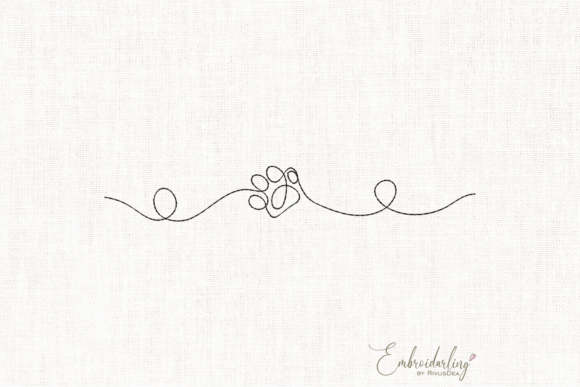
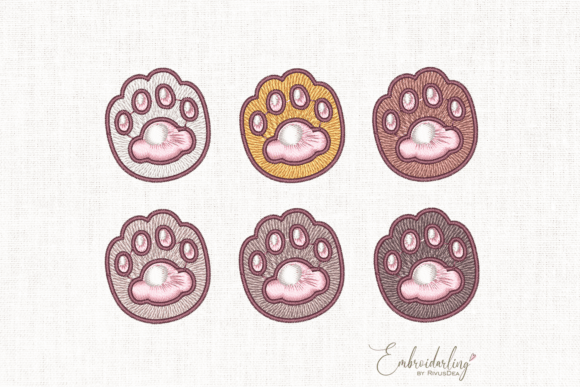
The first thing you notice about the Cute Dog Cat Paw Print Embroidery Design is its inherent friendliness. In the world of branding, visual cues matter immensely. This design does not scream luxury or high-end corporate rigidity; instead, it radiates warmth, approachability, and playfulness. For businesses in the pet industry, such as groomers, boutique pet supply stores, or veterinary clinics, this aesthetic is perfect. It signals to customers that the business is caring and community-focused.
However, its appeal extends beyond just pet-specific businesses. Creative studios, bakeries, florists, and local cafés often seek imagery that feels handmade and organic. The paw print, when executed well, can serve as a subtle nod to comfort and home. When evaluating this as a digital embroidery file, I look for clean lines and balanced proportions. A cluttered design can look messy when stitched out, but a well-digitized paw print offers a clean, recognizable silhouette that works well for brand identity without overwhelming the garment or item it adorns.
Real-World Applications for Small Business Merch
The true test of any design is its versatility in real-world production. The product description notes that this design allows you to embroider it onto various items, such as pillows, tote bags, jackets, or even framed artwork. From a production standpoint, here is how I see this fitting into a small business merchandise lineup:
- Embroidered Patches: This is perhaps the strongest use case. A paw print makes for an excellent iron-on or sew-on patch. You can produce these in bulk and sell them as add-ons to customer orders, or use them to brand your own packaging. Patches allow for high stitch density without worrying about fabric puckering, ensuring a premium look.
- Staff Uniforms and Aprons: For a pet café or a grooming salon, stitching this design onto the chest pocket of an apron or the sleeve of a work shirt creates immediate team cohesion. It acts as a subtle badge of authority and care. Ensure you check the hoop size requirements to ensure it fits neatly on standard uniform pockets.
- Tote Bag Design: Canvas tote bags are a staple for handmade brands. A single, well-placed paw print on the corner of a tote bag adds a touch of whimsy without looking like a billboard. It transforms a generic bag into a branded asset that customers will actually want to reuse.
- Cap Embroidery: Caps are tricky due to their curved surface. This design, if simplified correctly, can work beautifully on the front panel of a dad hat or trucker cap. It serves as a recognizable logo accent that draws attention without being overly aggressive.
Technical Considerations and Production Notes
While the concept is simple, the execution requires attention to detail. As a designer, I always advise testing a new embroidery file thoroughly before offering it to clients or using it in mass production. Here are specific technical aspects to consider with the Cute Dog Cat Paw Print Embroidery Design:
Stitch Density and Fabric Texture: Paw prints often involve solid filled areas. If the stitch density is too high, it can cause the fabric to pucker, especially on lighter materials like t-shirts or thin tote bags. Conversely, if the density is too low, the backing material might show through. Always test on the actual fabric texture you plan to use. For dark uniforms, ensure the thread colors provide sufficient contrast. A white paw on a black apron is classic, but verify that the digitizing includes proper underlay stitches to prevent the dark fabric from bleeding through the lighter threads.
Size and Scalability: One common mistake is assuming a design works at all sizes. Before using this for tiny product labels or small patches, resize it in your software and check for legibility. Fine details can merge together when scaled down. If the design includes intricate outlines, they may disappear at smaller dimensions. I recommend creating a printable mockup at the intended size to visualize the final look before hooping the fabric.
Stabilizer Selection: The choice of stabilizer is critical for a clean finished product. For stretchy fabrics like jersey tees, a cut-away stabilizer is usually best to prevent distortion over time. For woven fabrics like canvas or denim, a tear-away might suffice, but always test first. The goal is a crisp edge that maintains the shape of the paw print after washing.
Enhancing Brand Identity and Customer Trust
Using consistent design assets across your product line builds trust. When a customer sees the same high-quality paw print on your website, your packaging, and the apron worn by your staff, it reinforces professionalism. This consistency tells the buyer that you pay attention to detail. For Etsy sellers and crafters, offering custom apparel or accessories featuring this design can increase perceived value. It moves the product from a generic commodity to a branded experience.
Moreover, this design supports engagement. People love sharing photos of cute, well-made merchandise on social media. A nicely embroidered paw on a jacket or a tote bag is Instagram-worthy content that can organically promote your business. It invites interaction and helps build a community around your brand.
Final Verdict and Designer Advice
The Cute Dog Cat Paw Print Embroidery Design is a solid addition to any designer’s library, particularly for those targeting the pet niche or lifestyle markets. Its strength lies in its simplicity and emotional appeal. However, success depends on proper technical execution. Do not assume the file is ready for production straight out of the download folder.
Before launching any commercial embroidery project with this file, take these steps:
- Test in Black and White: Remove color variables to check the structural integrity of the digitizing. If it looks good in monochrome, it will likely look good in color.
- Check Commercial Licensing: Always confirm the license terms provided with the digital embroidery file. Ensure you have the rights to use it for physical goods sold for profit.
- Create Mockups: Use digital tools to place the design on various items like caps, bags, and shirts to show clients or plan your inventory.
- Verify Hoop Size: Confirm the design fits within your machine’s hoop capabilities without requiring excessive re-hooping or complex multi-hoop setups unless necessary.
In conclusion, this design offers great potential for small business merch and branded patches. It balances charm with professionalism, making it a versatile tool for enhancing brand identity. By paying attention to stitch density, fabric choice, and placement, you can turn this simple paw print into a powerful asset for your business. Whether you are decorating aprons for a local bakery or creating custom gifts for a pet brand, this design, when handled with care, can elevate your handmade product offerings and delight your customers.