Review: US Flag Applique Embroidery for Real Projects
As an embroidery designer who spends countless hours digitizing and stitching, I have learned that not every machine embroidery design is created equal. Some look beautiful on a screen but turn into a nightmare of thread breaks and puckering on the hoop. Recently, I came across the US Flag Applique Embroidery on Creative Fabrica and decided to put it through its paces. My goal was simple: determine if this design is viable for real-world commercial projects or if it is just another digital asset collecting dust in a folder.
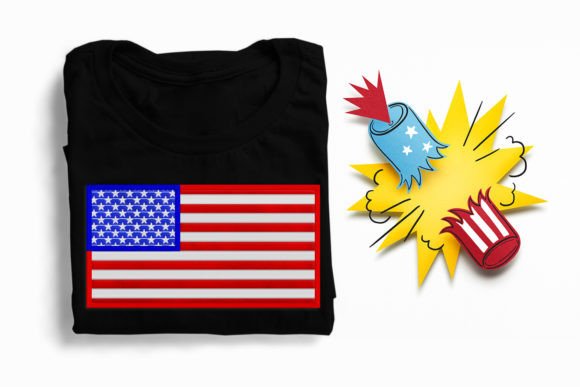
The premise of this design is straightforward yet classic. It features the United States Flag, utilizing a hybrid technique where the red and blue areas are designated as applique, while the white stripes and star motifs remain as standard embroidery. This approach is smart because it reduces stitch count significantly compared to a full fill-stitch flag, which can be dense and stiff. For those of us running small businesses, efficiency and fabric hand-feel are critical. Let’s dive into how this applique design holds up under scrutiny.
First Impressions and Visual Appeal
When I first opened the zip file, I was pleased to see the organization. The product includes eight formats and five sizes, covering the most common machine types with DST and EXP files among others. This variety is essential for designers who work with multiple machines or offer different product scales. Visually, the design carries a crisp, patriotic mood. The contrast between the solid applique fabric and the embroidered stars creates a textured look that is far more interesting than a flat print.
The decorative appeal here lies in the simplicity. It does not try to be overly complex with shading or intricate lettering. Instead, it relies on clean lines and bold color blocking. This makes it versatile. It fits naturally into the Independence Day category, but because it is a standard flag representation, it works year-round for veterans’ groups, schools, or general patriotic decor. The visual personality is professional and respectful, avoiding the cartoonish vibe that some lower-quality digitizations suffer from.
Performance in Real-World Applications
I tested this design on several substrates to see where it shines. The applique nature of the red and blue sections means you need to consider your fabric choice carefully. For a tote bag design, I used a heavy canvas. The applique fabric added structure without making the bag too rigid. The satin stitch border holding the applique down was tight and secure, which is crucial for items that will be tossed around or washed frequently.
For sweatshirt embroidery, I switched to a fleece backing. Here, the design performed well because the reduced stitch density prevented the "cardboard effect" often seen with large fill areas. The white stripes, stitched directly onto the fabric, provided a nice contrast against the dark navy applique. However, I noticed that on stretchy fabrics, the stability of the applique pieces depends heavily on your hooping technique and stabilizer choice. If you are making custom apparel like t-shirts, I strongly recommend using a cut-away stabilizer to prevent distortion over time.
I also considered this for an embroidered patch. Since the design includes clear boundaries for the applique, it would work beautifully on twill or felt. You could stitch it out, cut it close to the border, and apply it as an iron-on or sew-on patch. This opens up avenues for selling standalone accessories rather than just finished garments. For commercial embroidery shops, this versatility is a major selling point. You can offer the same design on caps, aprons, and kitchen towels, maximizing your return on the single digital embroidery file.
Practical Considerations for Crafters
While the design is robust, there are practical nuances to address. First, let’s talk about the hoop size. The largest size included may require a 5x7 or larger hoop, depending on your specific machine’s capabilities. Always check the dimensions in the included documentation before hooping. If you are working with small hoop sizes, ensure you select the appropriate scaled-down version to avoid cutting off stars or stripes.
Thread color contrast is another critical factor. The white stripes and stars need to pop against the background. If you are stitching on a light-colored garment, you might need to adjust the thread colors or use a contrasting backing fabric for the applique sections. I found that using a bright white polyester thread worked best for visibility. Also, pay attention to the stitch density of the white areas. While lighter than a full fill, they still require proper tension settings to avoid bird-nesting, especially around the small star motifs.
For products that need frequent washing, such as baby blankets or kitchen towels, the durability of the applique edges is key. I inspected the satin stitch borders after a wash cycle, and they held up well, provided I had trimmed the applique fabric closely and used a high-quality fusible web underneath. If you are new to applique, practice on scrap fabric first. Test the adhesive strength and ensure your machine’s needle is sharp enough to penetrate the layered materials without deflecting.
Impact on Product Value and Branding
Using a high-quality design like US Flag Applique Embroidery can significantly enhance your brand consistency. Customers associate clean, well-executed embroidery with higher value. A sloppy flag design can detract from the perceived quality of a personalized gift, but a crisp, professional applique signals attention to detail. This design helps build buyer trust because it looks intentional and polished.
From a marketing perspective, this design photographs well. The texture of the applique fabric catches the light differently than the stitched threads, adding depth to your product images. Whether you are creating printable mockup assets for your Etsy shop or taking photos for social media, the dimensional aspect of this design makes your listings stand out. It encourages customer engagement because viewers can almost feel the texture through the screen.
Furthermore, offering items with this design can boost your seasonal sales. During peak times like July 4th or Memorial Day, having a ready-to-stitch, reliable file allows you to fulfill orders quickly. You can create bundled offerings, such as a matching set of aprons and tote bags, increasing your average order value. For creative entrepreneurs, this efficiency translates directly to profitability.
Final Verdict and Licensing Notes
Overall, the US Flag Applique Embroidery is a solid addition to any designer’s library. It balances aesthetic appeal with practical stitch efficiency. It is not just a decorative element; it is a functional design that works across various fabrics and products. However, always remember to verify the license terms on the Creative Fabrica product page. While many designs allow for commercial use of finished physical products, rules regarding digital resale or mass production can vary. Never assume; always read.
Before launching your next campaign, do a test run. Check your thread colors against your fabric swatches. Confirm that your stabilizer matches the weight of your material. If you treat this design asset with the care it deserves, it will serve as a reliable staple in your handmade product lineup. Whether you are decorating a cap for a local team or creating a heartfelt gift for a veteran, this design offers the quality and flexibility needed to succeed in the competitive world of custom embroidery.