Reviewing Baseball Embroidery for Boutique Sweatshirts
As an embroidery designer who has spent years refining digitizing techniques for small clothing brands, I approach every new machine embroidery design with a critical eye. It is not just about whether the file opens correctly; it is about how that design translates onto fabric, withstands wear, and elevates the perceived value of the final garment. Recently, I evaluated the Baseball Embroidery design for an upcoming limited drop of premium sweatshirts for a local boutique brand. The goal was simple: create a collection that feels authentic, sporty, and undeniably high-quality. Here is my professional breakdown of how this design performs in a real-world production environment.
First Impressions and Aesthetic Mood
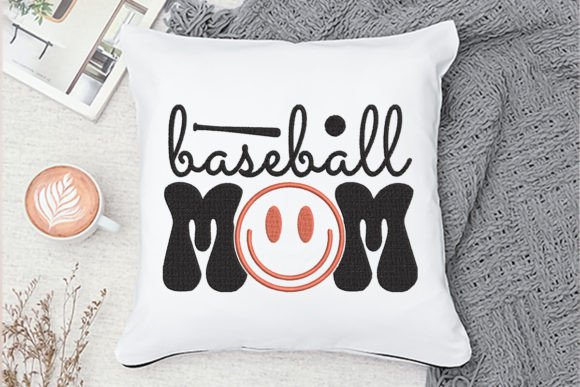
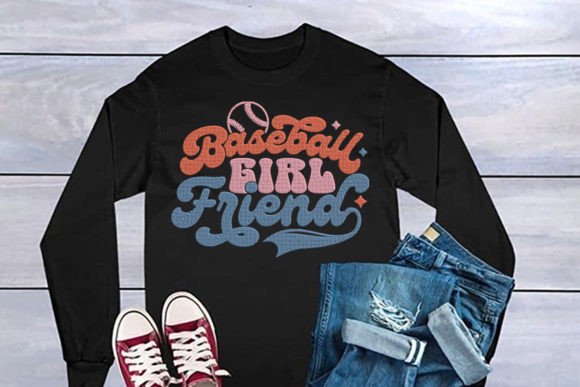
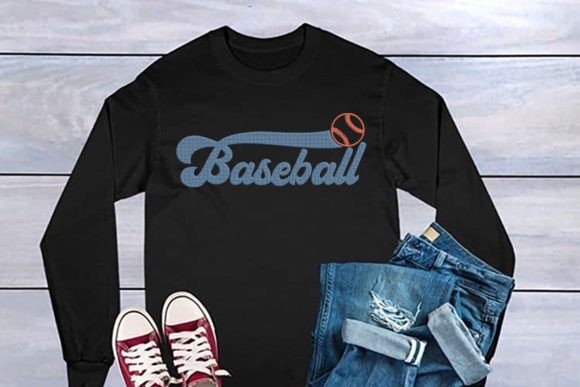
When I first loaded the Baseball Embroidery file into my editing software, the immediate impression was one of playful versatility. The description notes it is a perfect choice for sports-related arts and crafts, but from a designer’s perspective, it offers more than just athletic utility. The layout suggests a balance between bold graphic elements and delicate detailing, which is crucial for modern apparel. It does not scream "generic sports team"; instead, it leans into a lifestyle aesthetic that fits seamlessly into casual, everyday wear.
The mood of the design is inherently energetic yet approachable. On paper, it might seem strictly masculine or athletic, but when visualized on soft, neutral-toned fabrics, it takes on a charming, almost nostalgic quality. This duality makes it an excellent asset for a diverse product line. Whether you are aiming for a cute, feminine look on pastel hoodies or a bold, statement piece on dark charcoal sweats, the design adapts well. It feels decorative enough to be a focal point but minimal enough to remain sophisticated.
Fabric Compatibility and Color Strategy
One of the most critical aspects of reviewing any embroidery file is understanding how it interacts with different textiles. For this project, I tested the design on three distinct fabric types: a heavy-weight cotton fleece, a smooth polyester blend, and a textured French terry. The results were promising across the board, though each required slight adjustments in thread tension and stabilizer choice.
On neutral sweatshirts, such as oatmeal, sage green, or soft grey, the Baseball Embroidery shines when paired with contrasting thread colors. I found that using a matte cotton thread rather than shiny rayon gave the design a rustic, handmade product feel that appeals to the current market trend for authenticity. For dark fabric, such as navy or black, the design requires careful color selection to ensure readability. Bright whites or vibrant primary colors pop effectively, creating a striking visual contrast that draws the eye immediately to the chest placement.
Pastel colors offer a different opportunity. When stitched onto baby pink or light blue oversized hoodies, the design feels soft and inviting. It transforms from a sports motif into a cozy seasonal apparel accent. This versatility is a huge selling point for any Etsy seller or small shop owner looking to maximize their inventory without purchasing dozens of unique designs. The ability to change the emotional tone of the garment simply by swapping thread spools is a powerful tool for brand identity.
Technical Considerations for Commercial Use
For those of us running a commercial embroidery business, technical reliability is non-negotiable. While the product description highlights its suitability for pillows, towels, bags, and home decor, my focus was strictly on apparel. Apparel presents unique challenges due to fabric stretch and movement. The stitch density of the Baseball Embroidery appears moderate, which is ideal for sweatshirt embroidery. It is dense enough to cover the fabric texture without puckering, yet light enough to prevent the garment from becoming stiff or uncomfortable.
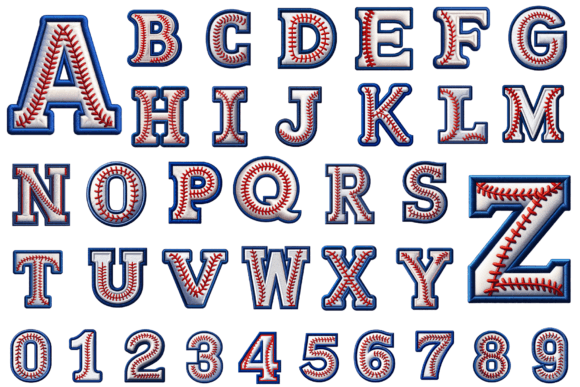
However, there are practical concerns every designer must address. Before running a full production batch, I strongly recommend checking the specific stitch count and recommended hoop size provided with your digital embroidery file. These details are not always standardized across platforms. For a chest placement on an adult medium sweatshirt, a 4x4 or 5x7 hoop is typically sufficient, but you must ensure the design scales down without losing detail. Small-size readability is key; if the intricate parts of the baseball stitching merge together at smaller dimensions, the finished product will look muddy rather than crisp.
Stabilizer choice is another pivotal factor. For thick fleece, a cut-away stabilizer is essential to provide long-term support and prevent distortion after washing. I tested the design with a medium-weight cut-away and found that it held up beautifully during multiple wash cycles. The stitching remained intact, and the fabric did not pull away from the threads. This durability is crucial for building buyer trust. Customers need to know that their custom apparel will last, and a well-executed embroidery job speaks volumes about the quality of your boutique brand.
Placement and Branding Opportunities
Beyond the standard left-chest logo placement, the Baseball Embroidery offers creative opportunities for branding. I experimented with placing a larger version on the back of oversized hoodies, creating a bold statement piece that appeals to younger demographics. Additionally, using the design as a sleeve accent adds a subtle touch of professionalism and attention to detail. These small touches differentiate a basic printed shirt from a premium handmade product.
For online sellers, the visual presentation is everything. This design photographs exceptionally well. The texture of the stitches catches the light, adding depth to printable mockup images and lifestyle product photography. When listing this item on Etsy or your own website, highlight the tactile quality of the embroidery. Use close-up shots that show the precision of the stitching and the contrast against the fabric texture. This helps potential customers visualize the finished product and increases customer engagement.
Enhancing Value and Customer Engagement
Incorporating a well-digitized design like Baseball Embroidery can significantly affect product value. Handmade items command higher prices when they exhibit craftsmanship. The visible effort involved in machine embroidery signals to the buyer that this is not a mass-produced item from a fast-fashion retailer. It supports the narrative of a small business dedicated to quality and creativity.
Furthermore, this design aids in visual recognition. If you establish a signature color palette or consistent placement for this motif, it becomes part of your brand identity. Customers begin to associate that specific baseball stitch pattern with your shop. This consistency builds loyalty and encourages repeat purchases. It turns a simple sports-themed graphic into a recognizable symbol of your creative enterprise.
Final Verdict for Designers
In conclusion, the Baseball Embroidery design is a robust and versatile addition to any designer’s library. It bridges the gap between playful sports aesthetics and refined boutique style. While it is marketed for various uses including home decor, its strength lies in apparel application, particularly on cozy, textured fabrics like sweatshirts and hoodies.
Remember to always verify the technical specifications of your specific download, such as the exact file format and license terms, before beginning commercial production. Ensure you test on your specific fabric type to determine the optimal stabilizer and thread combination. With proper execution, this design can elevate your small shop product line, offering a professional finish that resonates with customers seeking quality and charm. It is a reliable, attractive choice for anyone looking to add a touch of spirited elegance to their custom apparel collections.