Reviewing the Embroidery Folk Ethnic Geometric Pattern
As a designer who has spent countless hours digitizing and stitching out machine embroidery design files, I have learned to look past the glossy preview images. What matters is how a pattern behaves under the needle. Recently, I evaluated the Embroidery Folk Ethnic Geometric Pattern for a potential client project involving custom tote bags and boutique apparel. This is not just another digital asset; it is a vibrant collection of Graphics that demands careful consideration regarding stitch density, color contrast, and fabric choice.
First Impressions: Mood and Visual Personality
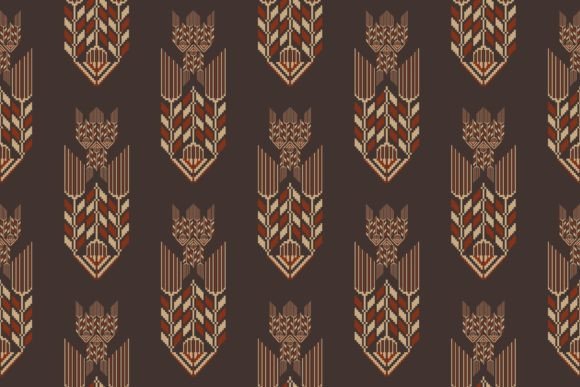
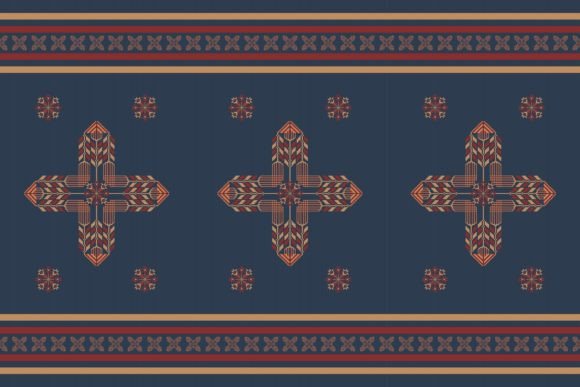
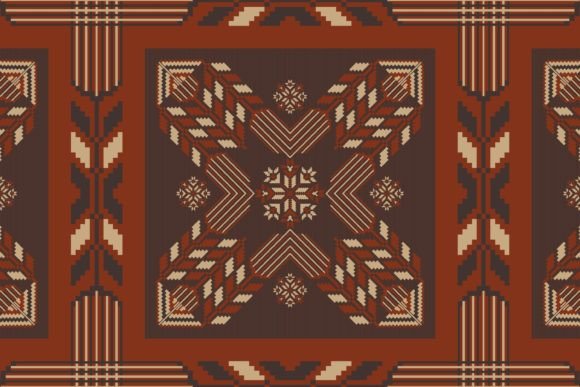
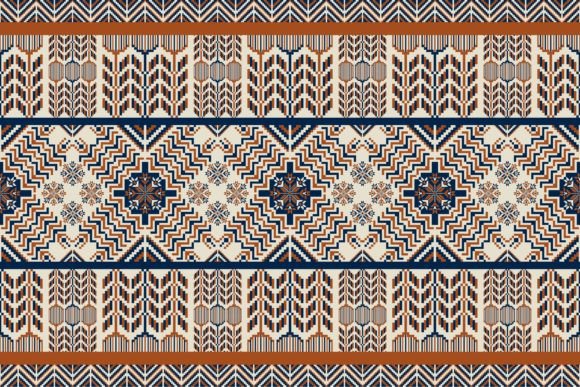
The first thing that strikes you about this embroidery file is its energetic rhythm. The geometric shapes are not rigid or cold; they possess a hand-drawn warmth typical of traditional folk art. The seamless nature of the pattern suggests versatility, allowing for both isolated motifs and all-over prints. For an Etsy seller or small shop owner, this visual personality translates immediately into "handmade quality." It feels authentic rather than mass-produced.
The color palette described as colorful ethnic geometric implies high saturation. In real-world stitching, this means the design relies heavily on thread colors to define its shape. If you are planning to use this for a personalized gift, the vibrancy can be a major selling point. However, it also requires precision. The interplay between the geometric lines and the organic folk style creates a dynamic tension that looks excellent on neutral backgrounds but might clash if paired with busy printed fabrics.
Real-World Application: From Tote Bags to Sweatshirts
To test the viability of this pattern, I imagined applying it to a heavy canvas tote bag design. The bold lines of the geometric shapes would hold up well against the coarse fabric texture of canvas. Here, a fill stitch approach would provide the necessary coverage and durability. The pattern’s repetitive nature allows for scaling, meaning you could create a small pocket accent or a large central panel without losing the integrity of the design.
Consider also a sweatshirt embroidery project. Fleece and cotton blends are forgiving, but they require attention to stitch density. If the geometric elements are too dense, the garment may pucker or become stiff. For a craft business focusing on comfort wear, I would recommend adjusting the density or using a combination of satin stitch borders with lighter fill areas. This maintains the visual impact while ensuring the finished product remains soft and wearable.
For smaller items like a baby embroidery project, such as a bib or onesie, the scale must be reduced significantly. In this context, the intricate details of the folk pattern might merge. I would advise simplifying the color count for infant items, sticking to three or four contrasting threads to ensure clarity after washing. A holiday embroidery piece, perhaps a kitchen towel or napkin set, would benefit from the festive, celebratory feel of the ethnic motifs. The seamless aspect allows for border designs that frame the textile beautifully.
Technical Challenges and Fabric Considerations
While the aesthetic appeal is high, practical execution requires caution. This pattern is not universally suitable for every material. On stretchy fabrics, such as jersey knits used in t-shirts, the geometric rigidity can cause distortion. A robust stabilizer is non-negotiable here. Without proper stabilization, the straight lines of the geometric shapes will warp, ruining the professional look of your small shop product.
Dark fabrics present another challenge. Since this is a colorful pattern, visibility depends on contrast. If you are stitching on navy or black, ensure your thread choices are bright enough to pop. Conversely, on white or light linen, dark threads will provide sharp definition. I always recommend creating a printable mockup or testing on scrap fabric before committing to the final finished product. This step saves time and materials, especially for commercial orders.
Curved surfaces, like caps or hats, require careful placement. The seamless nature of the pattern might tempt you to wrap it around the crown, but geometric distortion on curved planes can look awkward. It is often better to use a single, centered motif from the pattern set rather than attempting a full wrap. For an embroidered patch, however, the pattern shines. Patches allow for dense stitching and stiff stabilizers, making them ideal for showcasing the intricate details of the folk geometry.
Enhancing Brand Value and Customer Trust
Using high-quality design assets like this pattern contributes directly to brand consistency. When customers see precise, well-executed geometric folk art, they associate it with professionalism. This builds trust, which is crucial for commercial embroidery businesses. Whether you are selling custom apparel or home decor, the clarity of the stitch work reflects your attention to detail.
Moreover, the uniqueness of the ethnic theme helps differentiate your products in a saturated market. It offers a narrative element that buyers connect with. A handmade product featuring this pattern tells a story of tradition and craftsmanship, even if it is created digitally. This emotional connection can increase buyer engagement and justify higher price points for your digital embroidery file based creations.
Practical Designer Notes for Implementation
Before launching this design into your production line, consider these technical checkpoints:
- Test on Scrap Fabric: Always stitch out a sample on the exact material you intend to use. Check for puckering, thread breaks, and color bleeding.
- Check Thread Contrast: Ensure your chosen thread colors provide sufficient contrast against the fabric background. Use a black and white mockup to verify value distinction.
- Review Stitch Density: High-density fills can make fabric stiff. Adjust settings if necessary for garments that need drape and flexibility.
- Confirm Hoop Size: Verify that the pattern fits within your machine’s maximum hoop size, especially if planning large-scale applications like pillow covers or blankets.
- Inspect Small Details: Zoom in on the vector source if available. Ensure tiny geometric corners are not so sharp that they cause thread nesting or breakage during high-speed stitching.
- Licensing Verification: Since this is a Patterns category item, confirm whether the license allows for commercial use of finished goods. Some licenses restrict the sale of digital files but permit physical products. Always read the terms before selling.
In summary, the Embroidery Folk Ethnic Geometric Pattern is a versatile and visually striking resource for designers. It bridges the gap between traditional folk aesthetics and modern geometric precision. By respecting the technical requirements of stitch density, stabilizer choice, and fabric compatibility, you can transform this digital graphic into a tangible, high-value product. Whether for a wedding gift, boutique merchandise, or personal use, this pattern offers a rich canvas for creative expression.