Reviewing the Let It Snow Machine Embroidery Design
As a designer who has spent countless hours digitizing and stitching out winter motifs, I approach every new machine embroidery design with a mix of curiosity and caution. The holiday season brings a flood of festive patterns, but few manage to balance whimsy with technical reliability. When I first loaded the Let It Snow Machine Embroidery Design into my software, I was looking for more than just cute lettering. I wanted to see if this embroidery file could hold up under the scrutiny of a professional production run or a high-end boutique launch.
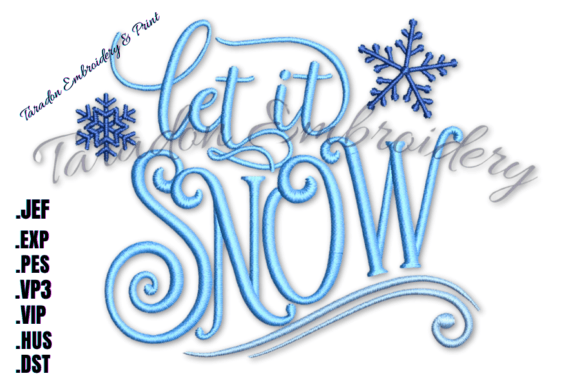
The initial visual impression is charming. The swirling fonts evoke the gentle drift of snowflakes, creating a mood that is soft rather than loud. For those of us in the craft business, finding designs that feel elegant rather than cartoonish is crucial. This design leans into a delicate aesthetic, which makes it versatile. However, elegance in digital preview does not always translate to elegance on fabric. My job here is to bridge that gap, evaluating how this design performs when needle meets thread.
Real-World Application: The Holiday Tote Test
To truly understand the value of this asset, I simulated a real client project: a custom embroidered tote bag for a local bakery’s holiday gift set. The goal was to create a personalized gift item that felt premium yet approachable. I chose a heavy canvas fabric, which is standard for tote bag design projects, and paired it with a crisp white thread against a deep navy background.
The result was surprisingly effective. The swirling letters of the Let It Snow Machine Embroidery Design did not get lost in the texture of the canvas. Because the font style incorporates organic curves, it softened the rigid structure of the bag. Customers often react positively to designs that feel hand-drawn, and this digital asset mimics that organic flow well. It suggests that this pattern would work equally well on a linen kitchen towel or a cotton apron, where a touch of seasonal warmth is desired without overwhelming the utility of the item.
Stitch Quality and Technical Considerations
When evaluating any digital embroidery file, we must look beyond the shape and consider the stitch types involved. While specific stitch counts are not provided in the brief description, the visual complexity suggests a mix of satin stitch for the thicker parts of the letters and potentially running stitch for finer details. This combination is generally favorable for clarity.
However, designers must be mindful of stitch density. Swirling fonts can sometimes create dense clusters where letters overlap or curve tightly. If you are stitching this on a sweatshirt embroidery project, the pile of the fleece can hide minor imperfections, but it can also cause puckering if the density is too high. I recommend using a cut-away stabilizer for stretchy fabrics like sweatshirts or baby clothes to ensure the design remains stable after washing. For woven fabrics like pillow covers or tea towels, a tear-away stabilizer might suffice, but always test on scrap fabric first.
Another critical factor is the scale. The delicate nature of the swirls means that shrinking this design too much for a small embroidered patch or a baby onesie could lead to thread breaks or loss of detail. Always check the minimum recommended hoop size in the file documentation. If the details are too fine for your machine’s needle resolution, the finished product may look messy rather than whimsical.
Navigating Fabric and Color Challenges
One of the biggest challenges with light, airy designs is contrast. On dark fabrics, this design shines, especially with metallic or bright white threads. However, on light or pastel fabrics, the visibility of the thread colors becomes paramount. I advise running a black-and-white mockup before stitching to ensure the design has enough definition. If the swirls blend into the background, the visual appeal drops significantly.
Textured fabrics present another hurdle. A chunky knit sweater might swallow the finer lines of the font. In such cases, consider using an applique design technique if the file supports it, or layer the embroidery over a smooth fabric patch. For caps and curved surfaces, the distortion of the fabric can warp the swirling letters. It is essential to hoop the cap correctly and possibly use a water-soluble topping to prevent the stitches from sinking into the twill or corduroy.
Commercial Viability for Etsy Sellers and Makers
For Etsy sellers and small shop owners, the Let It Snow Machine Embroidery Design offers strong commercial potential. Holiday items sell quickly, but the market is saturated. What sets a product apart is professionalism. This design, when executed well, conveys a sense of care and quality. It fits seamlessly into a brand identity that values warmth and tradition.
When creating printable mockups or digital previews for your online store, ensure the lighting highlights the texture of the stitches. Buyers of handmade products want to see the tactile quality of the embroidery. Use this design in lifestyle shots featuring cozy winter scenes—think hot cocoa, knitted blankets, and soft lighting. This context enhances the perceived value of the custom apparel or home decor item.
Before listing any items, confirm the licensing terms. Most designers allow commercial use for physical goods, but restrictions may apply to digital resale. Ensure you are compliant to protect your small shop product line. Additionally, consider offering this design on various items to maximize reach: from baby embroidery on onesies to sophisticated holiday embroidery on throw pillows.
Final Designer Notes
In summary, the Let It Snow Machine Embroidery Design is a solid addition to any winter-themed library. It requires thoughtful execution regarding fabric choice and stabilization, but the payoff is a charming, professional-looking result. Remember to:
- Test stitch on similar fabric weights before starting client orders.
- Verify the hoop size compatibility with your machine.
- Experiment with thread sheens, such as rayon or polyester, to enhance the swirling effect.
- Check for any required fill stitch adjustments if your machine tends to pull dense areas.
- Ensure your design assets are organized and backed up for future seasons.
By treating this file with the respect it deserves—acknowledging its limitations and leveraging its strengths—you can create embroidery projects that delight customers and elevate your brand. Whether you are decorating a single personalized gift or producing a batch of commercial embroidery items, this design offers the whimsical touch needed to capture the essence of the season.