Sea Turtle Embroidery Design: A Craft Fair Review
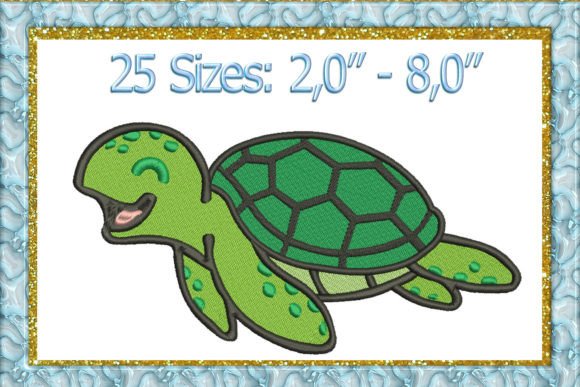
As an embroidery designer who has spent countless weekends behind a booth table, I know that the difference between a browsing customer and a buying customer often comes down to visual impact. When I first loaded the Sea Turtle Embroidery Design into my digitizing software, I was looking for more than just cute aesthetics. I was evaluating its potential as a high-converting craft fair product. This design, described with keywords like "Preppy Turtle" and "Beach embroidery," immediately struck me as a versatile asset for summer collections. It does not scream loud or chaotic; instead, it offers a clean, approachable look that fits perfectly into the current trend of coastal grandmother and preppy styles.
First Impressions and Visual Appeal
The initial glance at this machine embroidery design suggests a balance between playful and polished. For a small shop product, clarity is king. Customers walking past a busy booth do not have time to decipher complex, muddy stitches. This design appears to maintain clear lines, which is crucial for immediate recognition. Whether you categorize it under Reptiles for educational themes or simply as summer decor, the turtle motif is universally loved. It feels soft yet structured, making it suitable for a wide demographic, from parents looking for baby embroidery items to adults seeking stylish home goods.
The "preppy" descriptor in the title hints at a specific color palette potential. Think crisp whites, navy blues, and vibrant teals. This design does not feel rustic or farmhouse-heavy; it leans modern and fresh. For an Etsy seller or boutique maker, this means the design can be marketed across multiple niches without feeling out of place. It is decorative enough to stand alone but minimal enough to pair with monograms or other text elements.
Product Versatility for Handmade Markets
When preparing for a weekend market, I always ask: where does this design shine? The Sea Turtle Embroidery Design proves to be highly adaptable. Here is how it performs on various handmade products:
- Tote Bags: This is arguably the best application. A large hoop placement on a canvas tote creates an instant bestseller. The design acts as a focal point, turning a plain bag into a statement piece.
- Aprons and Tea Towels: For kitchen linens, the design works well as a central motif. On a tea towel embroidery project, ensure the stitch density is not too high, or the towel will pucker. A lighter fill allows the fabric texture to breathe.
- Caps and Hats: Curved surfaces are tricky. If the design includes fine details, they may get lost on the textured fabric of a cap. However, if the outlines are bold, it makes for a charming apron embroidery alternative or a cute kid’s hat.
- Embroidered Patches: Creating iron-on patches is a fantastic way to use up scrap fabric. This design’s clear borders make it ideal for cutting and sealing, creating a durable embroidered patch that customers can apply to their own jackets or bags.
- Pillow Covers: A centered turtle on a neutral linen pillow cover elevates the perceived value. It transforms a basic home good into a curated decor item.
Production Practicality and Batch Selling
For those of us running a business, time is money. A design must be repeatable. The Sea Turtle Embroidery Design seems conducive to batch production. Because it likely avoids excessive micro-details, it reduces the risk of thread breaks and trim times. When you are stitching twenty tote bags for a Saturday fair, reliability is essential. The file includes nine formats, including PES, which ensures compatibility with most major home embroidery machines. This accessibility is a huge plus for digital embroidery file buyers who may not have industrial equipment.
Photography is another critical factor. This design photographs well because of its distinct shape. When creating printable mockup assets for your online store, the turtle’s silhouette remains recognizable even in thumbnail views. This helps with click-through rates on platforms like Etsy. A clear, bold design stops the scroll.
Careful-Use Notes and Technical Considerations
While the design is strong, there are technical aspects to consider before you start stitching. Always check the stitch density in your software. If the shell area is densely filled, it may pull on lightweight fabrics. For delicate materials, use a cut-away stabilizer to provide support. Conversely, for thick fabrics like denim or canvas tote bags, a tear-away stabilizer might suffice, but test first.
Be mindful of thread colors. High contrast is key. If you stitch a dark turtle on a dark navy bag, the design will vanish. Use light threads on dark fabrics and vice versa. Also, consider the hoop size. Ensure the design fits comfortably within your hoop without hitting the edges, especially if you are adding a name or date alongside the turtle. Small lettering near the turtle should be tested for readability, as intricate fonts can merge with the embroidery stitches if placed too close.
Another consideration is fabric texture. On highly textured towels, small details may get lost. If the design has tiny eyes or intricate scale patterns, these might not translate well on looped terry cloth. In such cases, simplify the thread path or choose a smoother fabric like flour sack cotton for better definition.
Enhancing Brand Consistency and Buyer Engagement
Using a consistent design theme helps build brand recognition. If your shop specializes in coastal or nature-inspired goods, the Sea Turtle Embroidery Design reinforces your brand identity. It signals to customers that you offer cohesive, thoughtful products. When displayed in a booth, group all turtle-themed items together. This creates a "mini-collection" effect, encouraging buyers to purchase multiple items, such as a matching tote and towel set.
Engagement increases when customers can visualize the product in their lives. Use design assets like lifestyle photos showing the embroidered items in use. Show the tote bag at the beach, the apron in a sunny kitchen, or the pillow on a porch swing. This context helps buyers see the value beyond the thread and fabric.
Final Designer Recommendations
Before listing this as a commercial embroidery product or selling finished goods, take these steps:
- Test on Scrap Fabric: Never skip this step. Stitch the design on the exact fabric type you plan to sell.
- Check Thread Contrast: Ensure the colors pop against the background material.
- Review Spacing: If adding text, leave adequate space between the turtle and the letters.
- Confirm Licensing: The description mentions it is a digital file. Verify if the license allows for selling finished physical products. Most designers allow this, but always read the terms.
- Create Real Mockups: Photograph actual stitched samples rather than relying solely on digital renders.
In conclusion, the Sea Turtle Embroidery Design is a solid choice for crafters looking to expand their summer inventory. It balances aesthetic appeal with production efficiency. By understanding its strengths in clarity and versatility, and by respecting its technical limitations regarding density and fabric choice, you can create high-quality finished products that resonate with buyers. Whether you are an experienced Etsy seller or a new crafter testing the waters at local fairs, this design offers a reliable pathway to creating desirable, sellable handmade goods.